
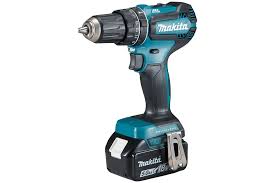
Overview of Combi Drills
Combi drills, also known as combination drills or drill drivers, are highly versatile power tools that combine multiple functions into a single device. They’re especially popular among DIY enthusiasts and professionals for their ability to tackle a wide range of tasks, from drilling and driving screws to even light hammer drilling in masonry.
Key features of hammer drill
Dual Functionality
- Combi drills typically combine a standard drill driver with a hammer drill mode, allowing users to switch between drilling into wood, plastic, or metal and tackling tougher surfaces like brick and concrete.
Cordless Convenience
- Most combi drills are cordless, powered by rechargeable lithium-ion batteries. This makes them portable and convenient for jobs where access to a power source may be limited. Cordless models are also lighter and easier to handle, ideal for quick tasks or working in tight spaces.
Variable Speed and Torque Settings
- Combi drills come with adjustable speed and torque settings to give you more control, making them suitable for tasks requiring precision, like screwing and fine drilling. Variable speeds also help reduce damage to materials.
Advantages of Cordless Operation
Portability and Flexibility
- Cordless combi drills are easy to carry around, allowing users to work in various locations without being limited by power cables. This makes them ideal for both indoor and outdoor projects.
Extended Battery Life
- Thanks to advancements in battery technology, modern combi drills offer extended battery life. Many models also feature quick-charging options or allow you to swap batteries to avoid downtime.
Safety and Convenience
- Without a cord, there’s less chance of tripping hazards or tangling issues, making cordless models a safer choice on busy work sites. Their reduced weight and compact size also make them easier to store and transport.
Primary Uses of Combi Drills
DIY and Home Improvement
- Combi drills are a staple in home improvement kits, commonly used for assembling furniture, installing shelves, mounting brackets, and general home repair tasks.
Light Masonry Work
- Thanks to their hammer drill functionality, combi drills can handle light masonry tasks, such as drilling into brick or concrete walls for mounting fixtures, though they’re not typically suited for heavy-duty masonry.
Versatile Drilling and Screw Driving
- With adjustable torque and variable speeds, combi drills allow for both precise screw driving and standard drilling, making them a go-to tool for both construction projects and smaller, delicate tasks.
Automotive and Workshop Projects
- Combi drills are useful in automotive repairs and workshop projects, from drilling into metal to securing components. Their portability makes them a handy tool for off-site tasks as well.
Choosing the Right Combi Drill for Your Needs
When selecting a combi drill, consider factors like battery power, weight, and the types of materials you plan to work with. Higher-end models typically offer more torque and advanced features like brushless motors for greater efficiency.
Popular Combi Drill Models to Consider
- Makita DHP482Z 18V LXT Combi Drill
- DeWalt DCD796N 18V XR Brushless Combi Drill
- Bosch Professional GSB 18V-55 Combi Drill
Each of these models has unique features suited to different types of users, from DIY beginners to professionals needing reliable performance.
Conclusion
Combi drills are essential to any tool kit, offering unmatched versatility and convenience for drilling, driving, and light masonry. With cordless options, they provide the freedom to work without restrictions, making them suitable for various tasks in DIY, construction, and more.
This is still a stub page and will are working hard to provide more valuable information. If you have additional information, question or correction, kindly do so using the form below