Hammer drills are essential tools for anyone looking to tackle heavy-duty drilling tasks, particularly in masonry and concrete. With their unique mechanism that combines rotation and rapid hammering, these drills can efficiently bore through tough materials. In this article, we’ll explore what a hammer drill is, its various types, features to consider when choosing one, and tips for proper usage.
What is a Hammer Drill?
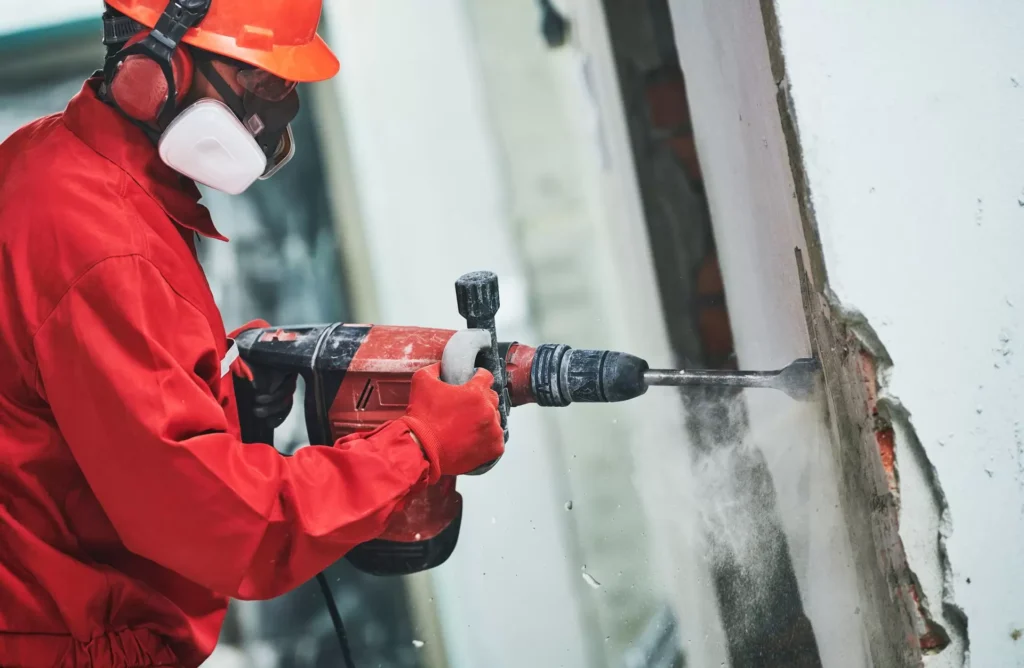
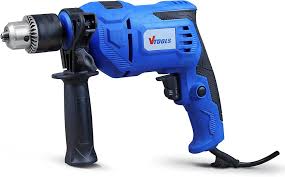
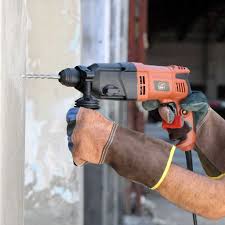
A hammer drill is a powerful tool designed to drill into hard materials like brick, stone, and concrete. It operates by combining the rotary motion of a standard drill with rapid, forceful impacts, producing a loud, distinctive sound. This dual action allows masonry drill bits to punch through hard surfaces rather than just cutting into them, making hammer drills ideal for construction and renovation projects.
Key Features of Hammer Drills
Hammer Action: The ability to switch between hammering and standard drilling modes, making it versatile for different materials.
Adjustable Clutches: Most combi drills feature adjustable torque settings for driving screws without damaging the workpiece.
Variable Speed Control: Higher-end models offer multiple speed and impact settings for precise control.
Types of Hammer Drills
1. Combi Drills
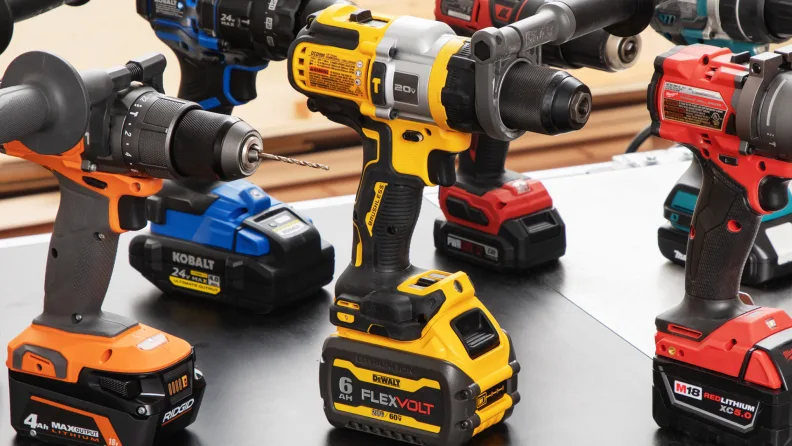
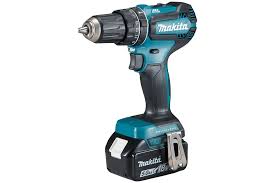
Combi drills, often referred to as cordless hammer drills, combine drilling and screw-driving functionalities. They are available in various voltages (commonly 12V and 18V) and are popular for their versatility and ease of use.
Pros:
Cordless convenience
Adjustable torque settings
Cons
Battery life limitations
2. Corded Hammer Drills
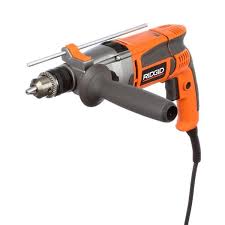
Corded models are traditionally more powerful than their cordless counterparts, providing continuous power without the risk of battery drain. However, they can be heavier and less maneuverable.
Pros
Greater power and speed
No need for battery replacements
Cons
Limited mobility due to cords
3. SDS Drills
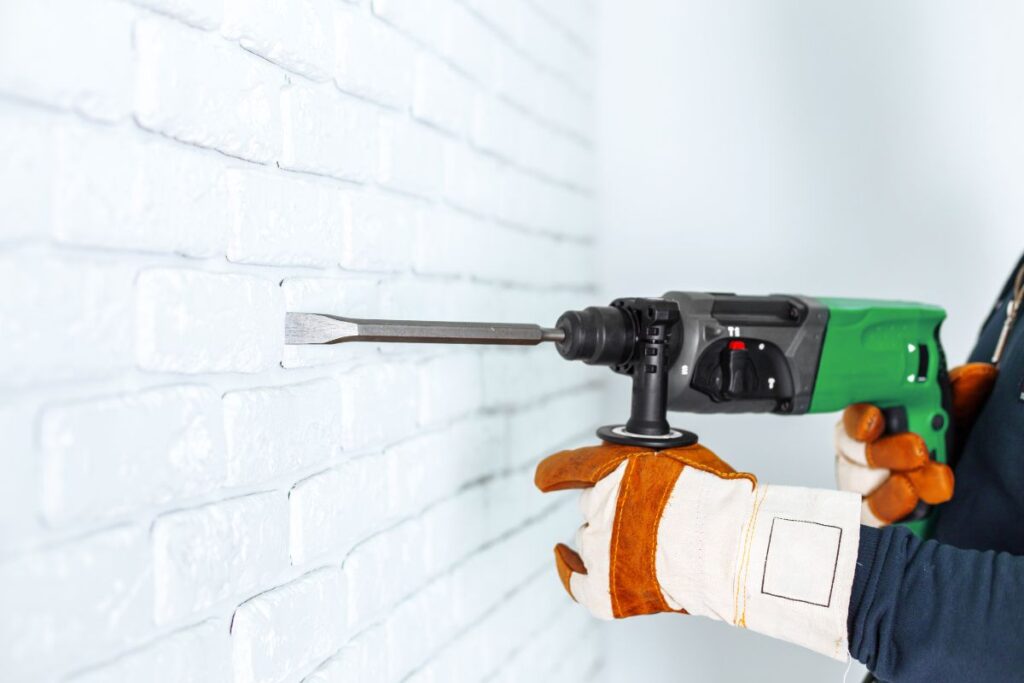
SDS (Slotted Drive System) drills are designed specifically for hammer drilling, making them incredibly efficient for heavy-duty tasks. They can use s;ecialized SDS accessories for drilling and chiseling.
Pros
Superior performance in concrete and masonry
Ability to chisel without rotation
Cons
Limited versatility for softer materials
Choosing the Right Hammer Drills
When selecting a hammer drill, consider the following factors:
Wattage
Higher wattage means more power For drilling holes between 6 to 15 mm, choose drills with 400 to 650 watts. For larger holes, opt for models with over 800 watts.
Maximum Hole Diameter
Check the manufacturer’s specifications for maximum hole sizes. It’s wise to choose a drill that can handle larger holes than your requirements.
Type of Chuck
Hammer drills come with various chuck types. Keyless chucks allow for quick bit changes, while key chucks offer a firmer grip but require a key.
Power Supply
Decide between corded and cordless based on your working environment. Cordless drills offer flexibility, while corded models provide consistent power.
Comfort and Weight
Look for features that enhance user comfort, such as anti-vibration grips, especially if you’ll be using the drill for extended periods.
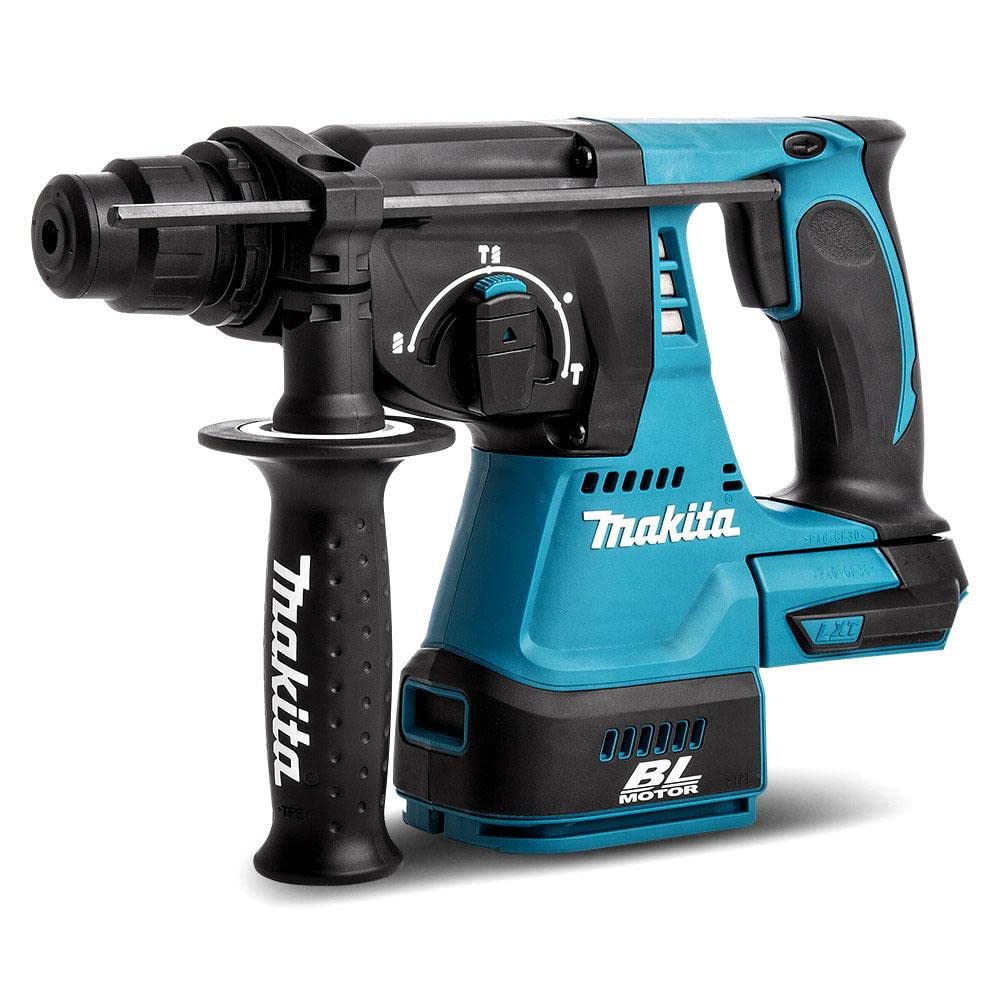
Cons: Drill body only, batteries and charger not included.
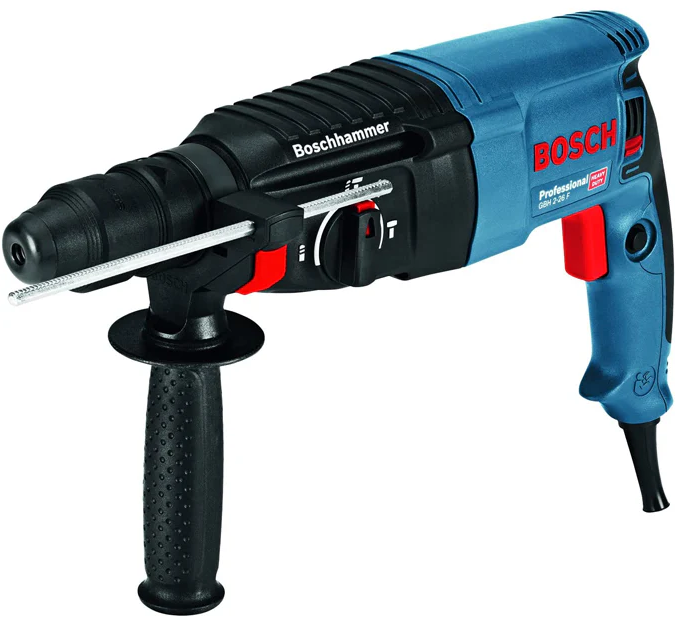
Bosch Professional GBH 2-26 SDS + Hammer Drill
Pros: High impact energy, suitable for heavy-duty tasks.
Cons: Cord length may be insufficient; can be heavy during use.
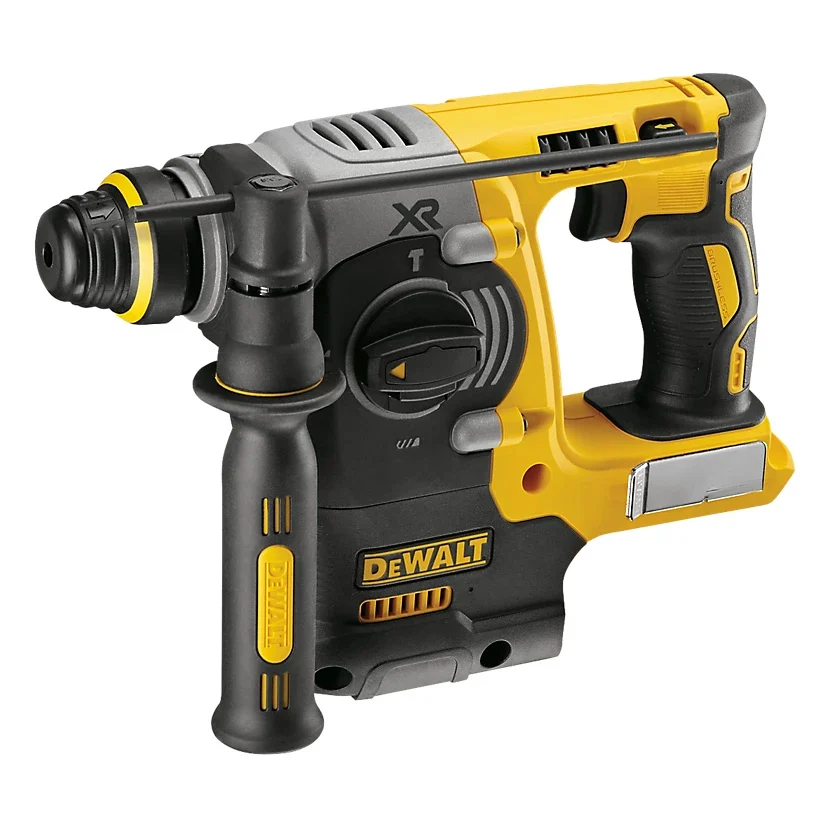
Dewalt DCH273N 18V XR Li-Ion SDS Plus Rotary Hammer Drill
Pros: Lightweight, LED work light, easy mode switching.
Cons: No integrated battery level indicator, accessories sold separately.
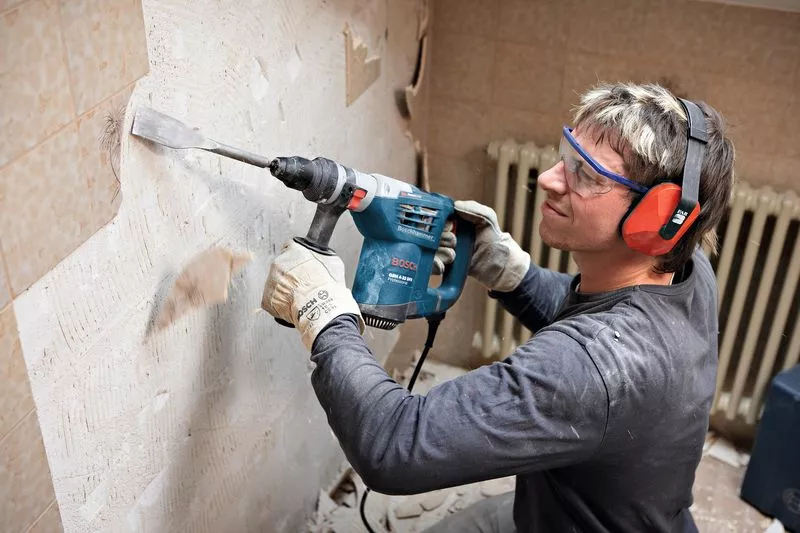
How to Use a Hammer Drill Correctly
Mark the Surface: Clearly mark your drilling point with a pencil.
Fit Your Drill Bit: Wear safety goggles, and start with a smaller bit before switching to a larger one.
Set the Depth: Use a depth stop or masking tape to mark your desired depth.
Start Drilling: Begin at a low speed to create a guide hole, gradually increasing speed as necessary.
Clean the Hole: Pause every 15 seconds to remove debris and maintain drill efficiency.
Conclusion
Hammer drills are invaluable tools for any DIY enthusiast or professional. By understanding the different types available and their specific features, you can choose the right hammer drill for your projects. Remember to follow safe practices for optimal performance and longevity of your tool.
If you found this guide helpful, consider sharing it or leaving a comment in the forms below!